Close enough to explore it all. Quiet enough to truly escape.

The "Florence of the South," without the crowds you'd expect.
Lecce earned its nickname the honest way — centuries of pale gold limestone, soft enough to carve like wax, shaped into curling saints and lace-edged balconies until the whole city feels sculpted rather than built.
Give it a full day: wander the churches in the morning, let lunch run long, leave the afternoon open to wherever the streets lead.
Corigliano d'Otranto makes it easy — close enough that Lecce is barely a detour, quiet enough that coming home still feels like the better half of the day.


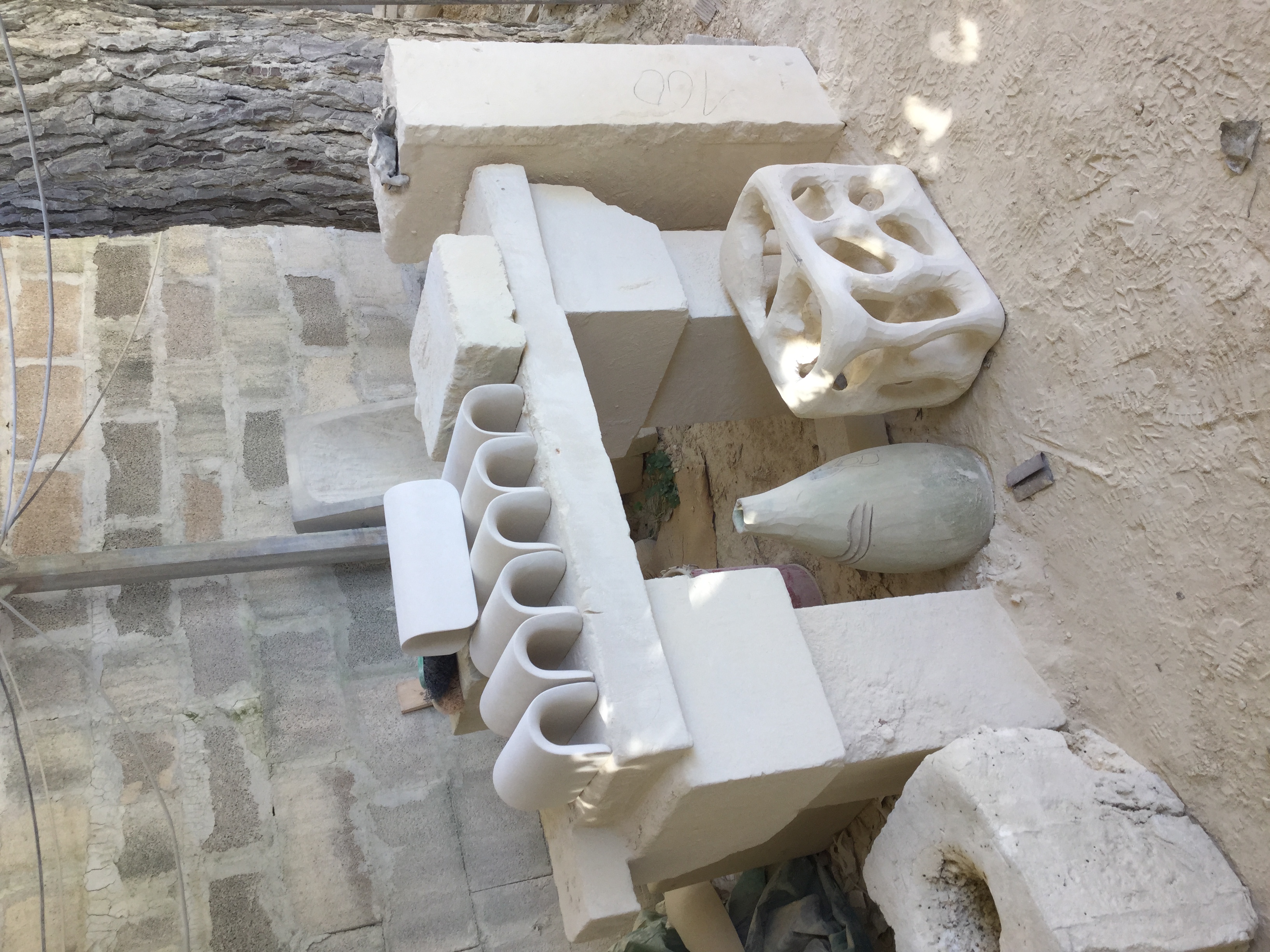
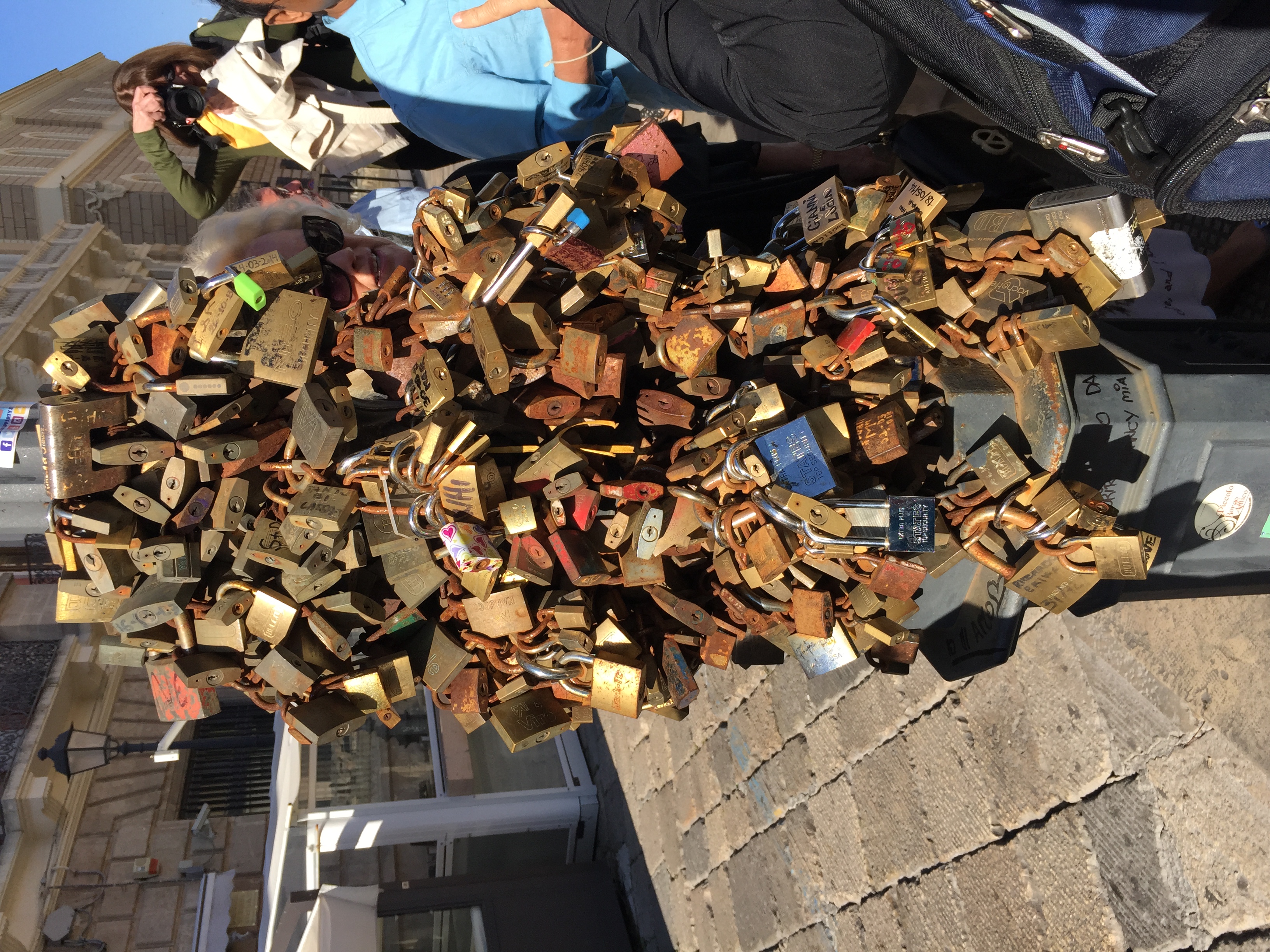
A city that carved its own style into stone.
Locals call it Barocco Leccese — a flamboyant, almost theatrical take on Baroque, made possible by a limestone so soft it carves like wood and so durable it has held its shape for centuries.
It helps that Lecce is also a university town: the historic center moves at an easy, unhurried rhythm, students drifting by on bicycles, conversations spilling out of cafés long past when they should have ended.
Look up as often as you look ahead — the city's best details, curling saints, carved fruit, quiet little flourishes, tend to be just above eye level.
Getting There
From the house to the historic center
Drive Time
Getting There
Approx. 25 minutes
A car is the easiest way to make the trip; the drive is straightforward and mostly open countryside.
Best Time to Visit
Visit early to experience the piazzas in the morning light, or wait for the late afternoon when the buildings glow.
Lecce rests during the controra between 1:30 and 5:00 PM as shops close for a siesta. Plan to arrive for the evening buzz when the city reawakens for the traditional social stroll.
Parking

The Historic Center
Streets built for getting a little lost
Between the landmarks is where Lecce is best experienced —
narrow lanes, carved balconies, small courtyards glimpsed through open doorways.
There isn't a wrong direction to wander; the historic center is compact enough that you're never far from somewhere familiar.
Explore Salento
The Salento Heritage


Lecce Baroque at its most extravagant
The façade took over a century to finish, and it shows —
a rose window ringed by carved figures, animals, and foliage that seem to grow directly out of the stone.
Step inside for a quieter, more restrained interior, a useful contrast to everything happening on the front of the building.
A square that closes itself off from the rest of the city
Enter through a narrow passage and the piazza opens all at once — cathedral, bell tower, bishop's palace and seminary, all carved from the same warm stone and facing each other like a stage set.
It's one of the few Baroque squares built with a single entrance, which makes the arrival feel deliberate rather than accidental.

Where the ancient city meets the everyday one
A sunken Roman amphitheatre sits in the middle of Lecce's most-used square, ringed by cafés and the column marking the city's patron saint.
It's a good place to pause — order a coffee, watch the square go about its afternoon, and take in two thousand years of the city at once.
Paolo Damiano Dolce CC BY-SA 4.0, via Wikimedia Commons cropped
Forget full schedules— A slow, effortless guide to the city
A Possible Day in Lecce
Morning
Midday
Coffee in the historic center, then Piazza del Duomo
Afternoon
A long lunch, followed by shopping or more wandering
Wander the old town, stop by Santa Croce
Night
Evening
Return to Casa Mollrose for a quiet dinner at home
Aperitivo near Piazza Sant'Oronzo
Eat, Drink & Slow Down
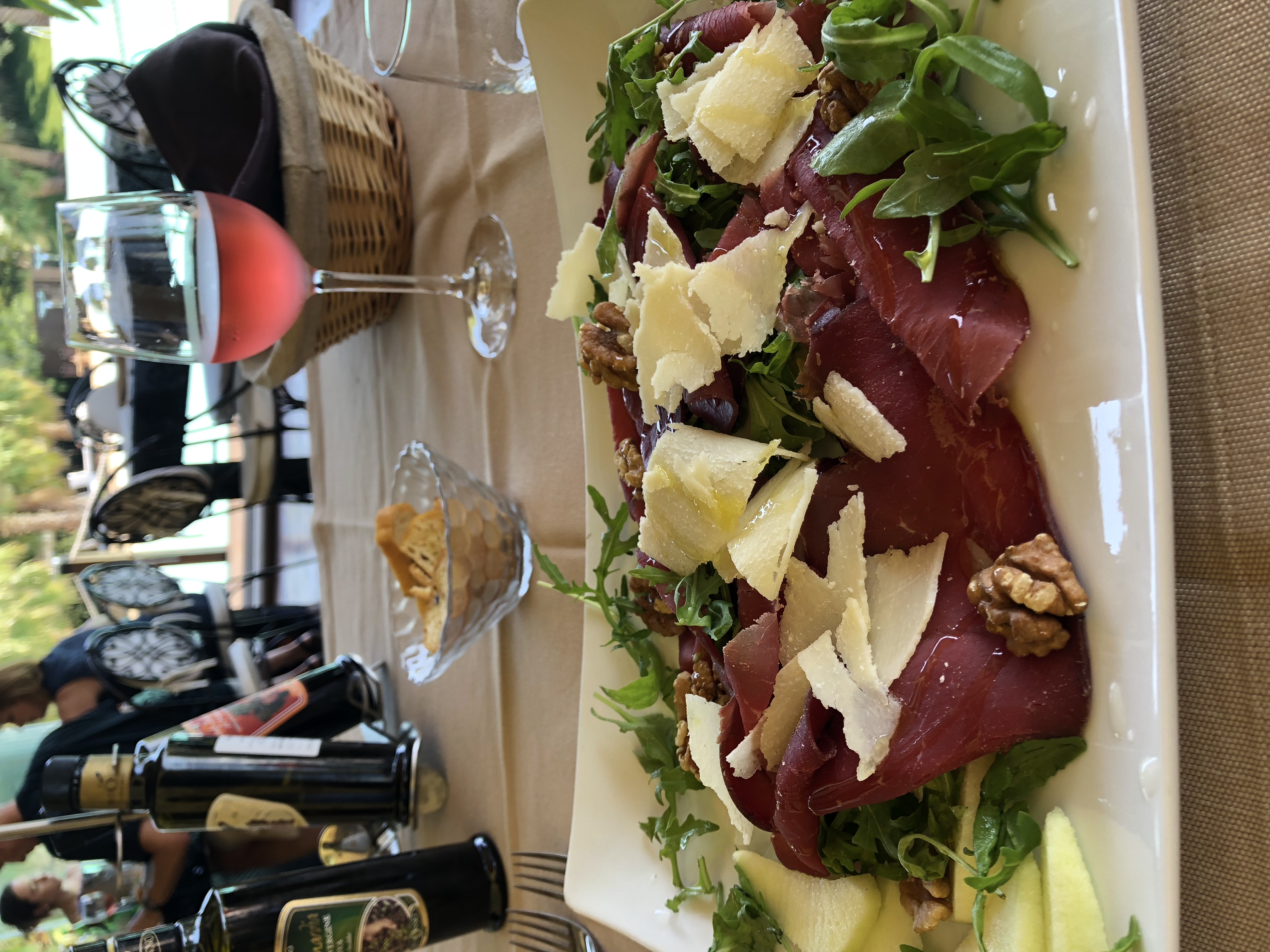
Some of the best hours here are unplanned — a long lunch that runs into the afternoon, a coffee taken standing at the counter the way locals do, a shop window that turns into twenty minutes of browsing.
Leave room in the day for nothing in particular; it's usually where the city shows itself best.
You don't need a plan for this part. Just time.
There's no itinerary for the best part of Lecce.


Lecce's own contributions to the Salento table are worth seeking out specifically:
the pasticciotto, warm from the oven, and caffè leccese, poured cold over ice with almond milk.
Beyond that, let lunch run long — local pasta, seasonal vegetables, whatever the kitchen is proud of that day —
and ease into aperitivo as the light starts to change.
Davide Mauro CC BY-SA 4.0, via Wikimedia Commons cropped
When to Visit
Lecce across the seasons
Spring
Mild weather and fewer crowds, good for long walks through
the old town.
Summer
Long, lively evenings —
the piazzas fill after dark
and stay that way.
Autumn
Warm colors and a quieter pace, with outdoor dining still comfortable.
Winter
A slower, more local Lecce — fewer visitors, more room to take in the architecture.
Spend the day losing yourself in Lecce's gold-lit streets and lively piazzas.
Then come home to Corigliano d'Otranto — dinner outdoors, a drink on the rooftop, and somewhere quieter to let the evening settle.
Explore the Local "Amenities" & Stay at Casa Mollrose
Continue Exploring


