Close enough to explore it all. Quiet enough to truly escape.

Angelomagic, CC BY-SA 4.0, via Wikimedia Commons cropped
This is one of Italy's oldest wine regions, and one of its most generous: low vines trained close to the ground in the old alberello style, red earth, and two seas never far away.
The grapes have names worth learning: Negroamaro, dark with a bitter-cherry finish; Primitivo, round and sun-ripened; and the local rosato, pale coral and made for long lunches.
From Corigliano d'Otranto, the wine towns are an easy drive across the flat heart of the peninsula: close enough for an afternoon tasting, and back in time for dinner on the rooftop with a bottle you chose yourself.
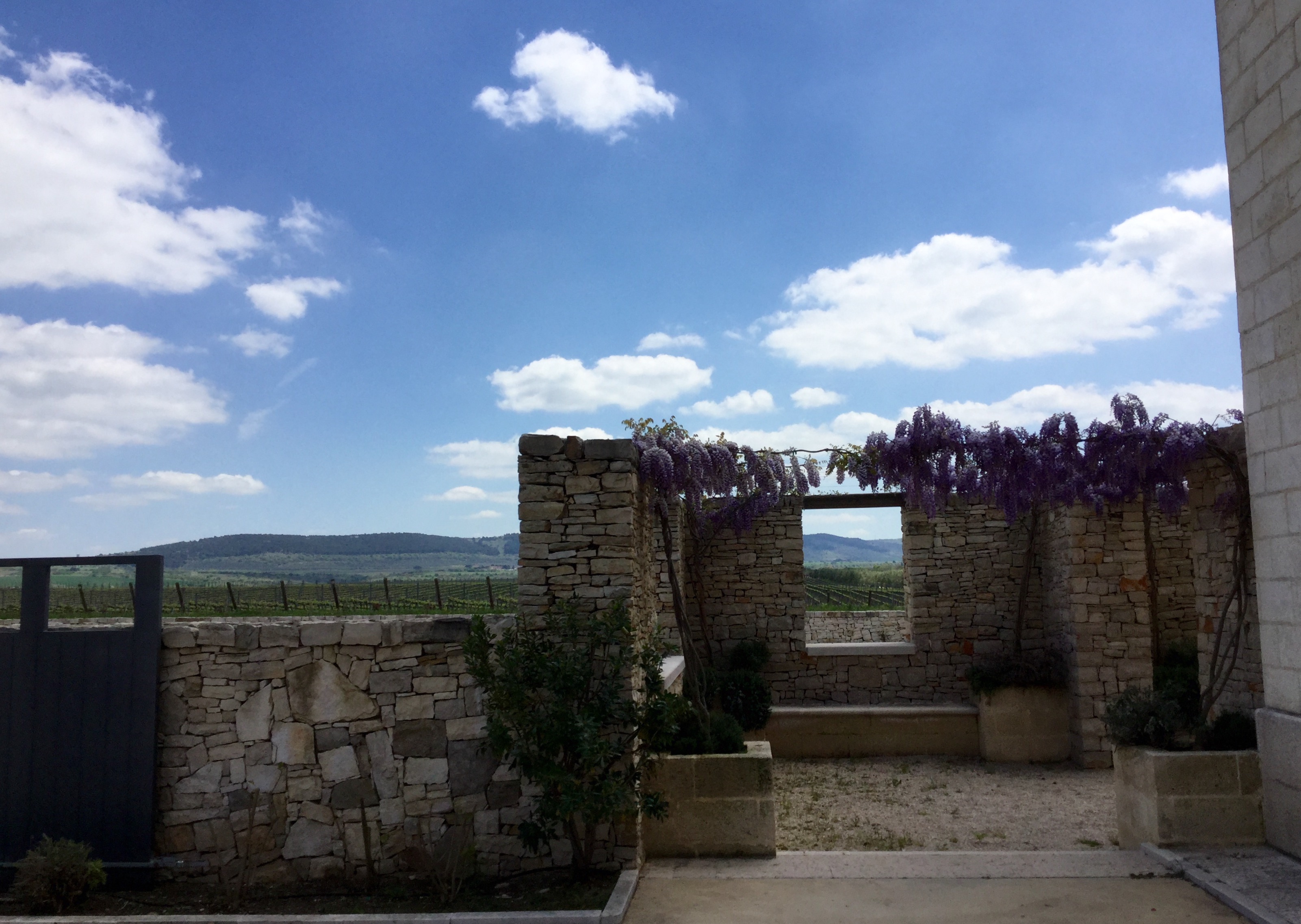
In Salento, the vineyards begin where the village ends.


Three wines to know
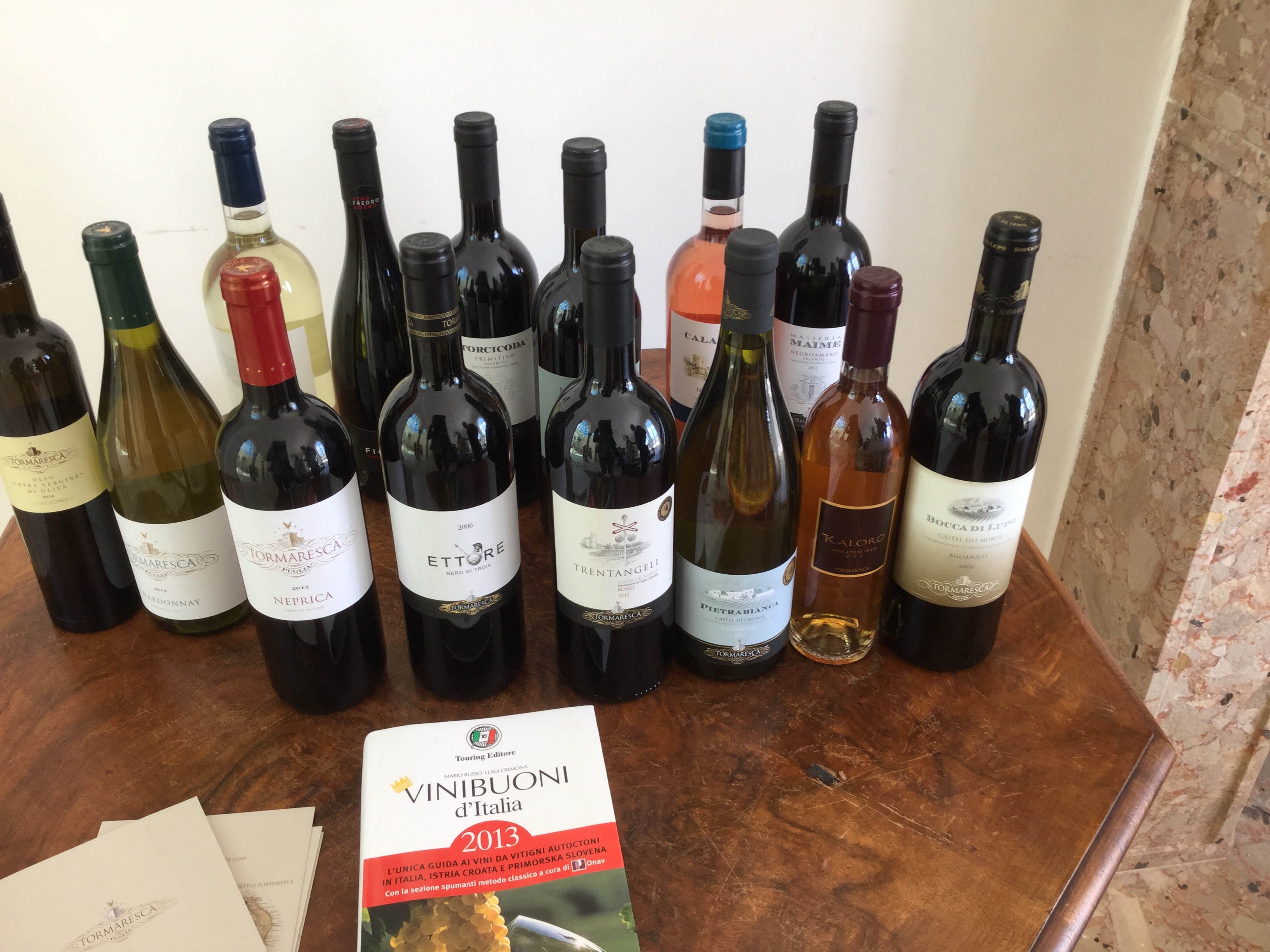
Negroamaro is Salento's own grape: deep red, with a bitter-cherry finish. It is the heart of Salice Salentino, the area's best-known appellation.
Primitivo leans richer and riper. Its home is Manduria, toward the Ionian coast, where it makes plush, generous reds.
Rosato is the local pride. Salento was pouring rosé long before it was fashionable: Five Roses, first bottled by the Leone de Castris family in 1943, is often called the first Italian rosé to be bottled and sold abroad.
Drive Time
Salice Salentino & Guagnano approx. 45–60 minutes;
Manduria approx. 1 hour 15 minutes
TASTINGS
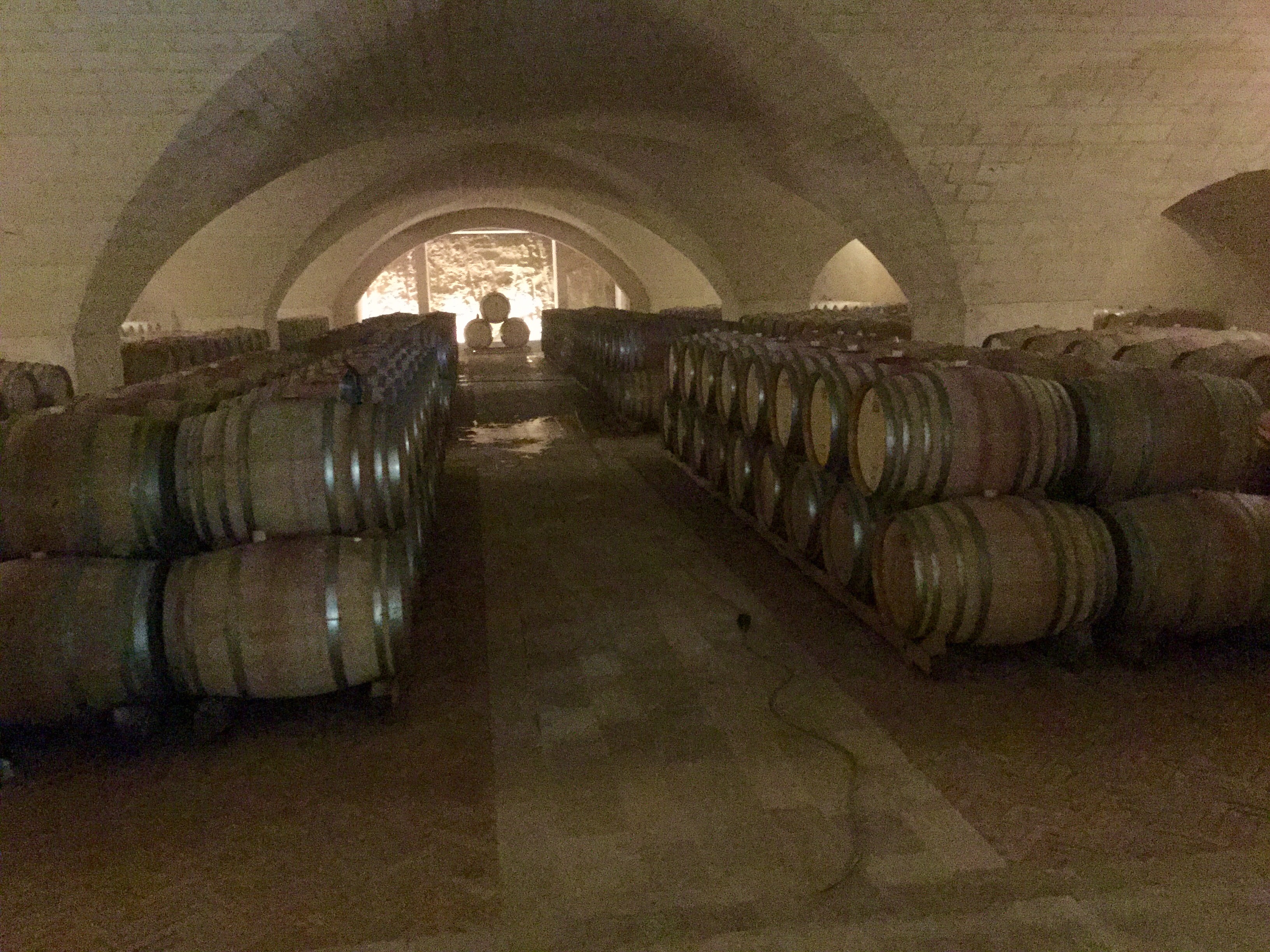
Most wineries welcome visitors by appointment. Call or email a few days ahead, especially for weekends.
GETTING TO THE VINEYARDS
From the house to the vines
WHO DRIVES
Country roads, generous pours. Choose a driver for the day, or ask our property manager about a guided tasting tour with transport.
What It Costs
Tastings vary by estate, from a short pour at the cellar door to a guided visit with food. Ask for prices when you book.
"Book a tasting at Castello Monaci, just outside Salice Salentino"
Explore Salento

Jiel, CC BY-SA 4.0, via Wikimedia Commons cropped

Just beyond Salice, Guagnano is ringed by low, old alberello vineyards, the bush-trained vines that shade their own grapes through the hot summers.
Family estates such as Cantele, now run by its third generation, open their cellars for tours and tastings, with Negroamaro poured in every style, from pale rosé to deep, structured red.
GUAGNANO
"Closer to the house, try L’Astore Masseria in Cutrofiano"

The Wine Towns
Family cellars and old bush vines
Art Anderson, CC BY-SA 3.0, via Wikimedia Commons cropped
The Salice Salentino appellation, created in 1976, covers the vineyards around this quiet farm town and its neighbors, with Negroamaro at its heart and a little Malvasia Nera often in the blend.
The Leone de Castris estate here helped found the appellation, and its Five Roses rosato has been made since the 1940s, a name worth looking for on any wine list in Salento.
Andrea Fistetto, CC BY-SA 3.0, via Wikimedia Commons cropped
SALICE SALENTINO
Where Salento's best-known red takes its name
MANDURIA
The home of Primitivo
"Cantine Paolo Leo is a short drive away in San Donaci"
Toward the Ionian, Manduria gives its name to Primitivo di Manduria, the richest red of the south: dark, ripe and warming.
Closer to the house, two family names worth knowing: Vinicola Palamà has made wine in Cutrofiano since 1936, and Duca Carlo Guarini offers guided tastings at the family's estate in Scorrano. Reserve ahead for both.
CARPIGNANO SALENTINO

"Stay for dinner at Osteria Origano in nearby Minervino di Lecce"
Every September, just after the harvest begins, Carpignano Salentino holds Festa te lu Mieru, a wine festival named in the local dialect. It is a short drive from Corigliano.
Producers from across Salento pour Negroamaro, Primitivo and rosato in the village streets, alongside pittule, pasticciotti and other local food. Dates change each year, so check before you go.
A wine festival just down the road
Freddyballo, CC BY-SA 3.0, via Wikimedia Commons cropped
Morning
A POSSIBLE DAY OF WINE
Start late —
A slow, sun-warmed day among the vines
Midday
Afternoon
Evening
Night
Coffee in the courtyard, then a drive through the olive groves to the first cellar
A second cellar, or a nap in the shade
Dinner in the courtyard, opening a bottle from the day
Rosato on the rooftop as the light turns gold
A tasting, then a long lunch at a masseria
Eat, Drink & Slow Down

The wine follows the food.
Saggittarius A, CC BY 4.0, via Wikimedia Commons cropped
Here, wine is rarely poured alone. A tasting usually comes with something from the same land: olive oil, taralli, local cheese, a plate of cured meats.
Pour rosato with lunch, Negroamaro with anything from the grill, and save the Primitivo for when the evening cools.
Lunch leans on what grows nearby: orecchiette, slow-cooked vegetables, bread with local oil, and a glass from a vineyard you may have driven past that morning.

Missvain (Sarah Stierch), CC BY 4.0, via Wikimedia Commons cropped
When to Visit
The vineyards across the seasons
Spring
Green vines and wildflowers; many wineries open their doors for Cantine Aperte in late May.
Summer
Long days and ripening grapes; plan tastings for the cool of the morning or late afternoon.
Autumn
Harvest season: the vendemmia runs from late August into October, and the air smells of crushed grapes.
Winter
Quiet cellars and bold reds by the fire; call ahead, as many visits are by appointment.
Spend the day among the vines,
from old cellars to long tables.
Then come home to Corigliano d'Otranto — dinner outdoors, a bottle from the day open on the rooftop, and the village going quiet around you.
Explore the Local "Amenities" & Stay at Casa Mollrose
Continue Exploring


