Close enough to explore it all. Quiet enough to truly escape.

Salento's table is built on a handful of things, done exceptionally well.
This is not a region of tasting menus.
Salento cooking runs on what the land and the sea provide close by —
some of the best olive oil in Italy, vegetables that barely traveled to reach the plate,
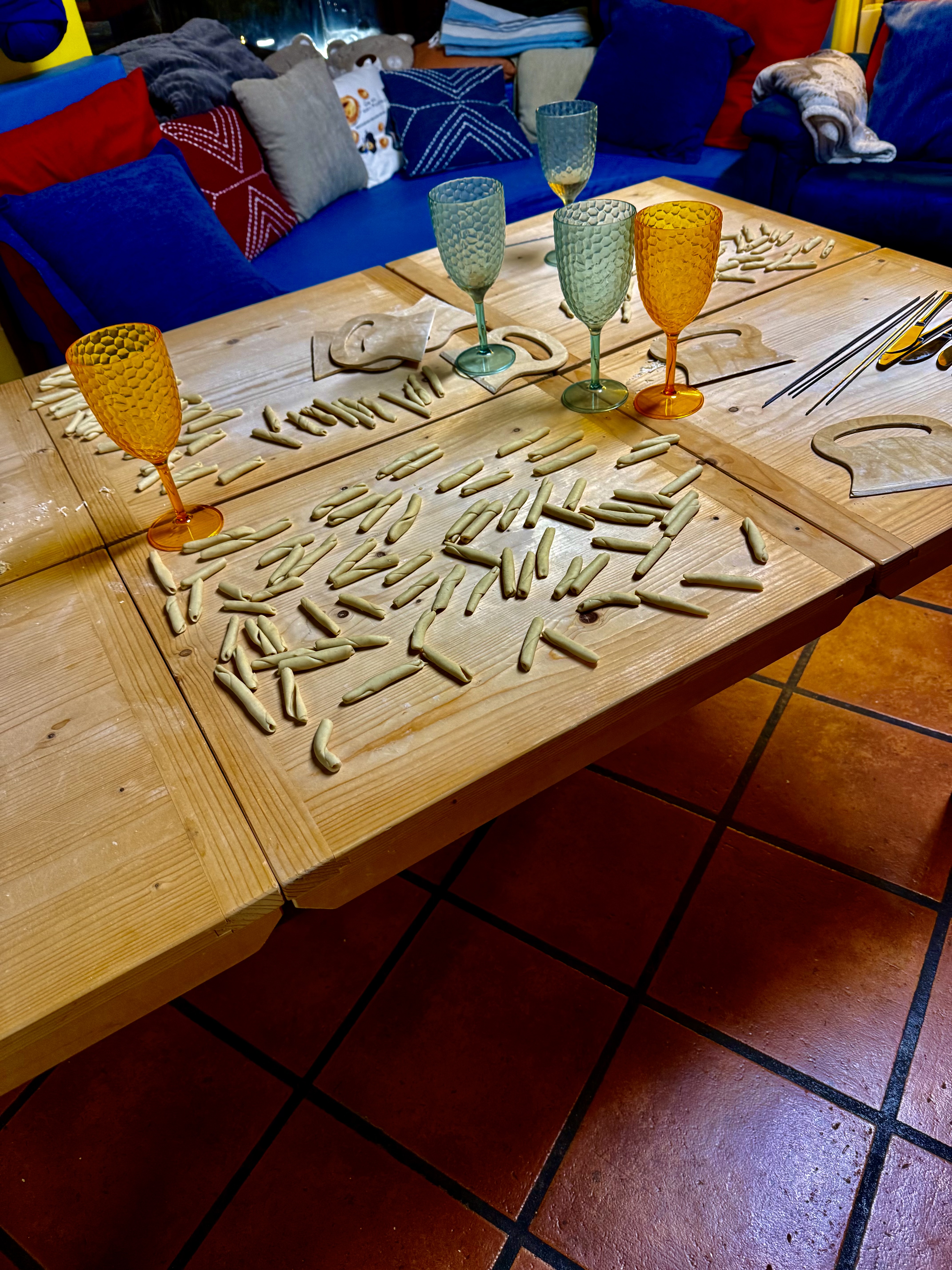
pasta shaped by hand the same way it has been for generations,
& seafood that rarely sees a freezer.
The result is simple food that rewards attention rather than embellishment,
and a pace at the table that matches the pace of everything else here.
Whether it's a long lunch in Lecce or a quiet dinner steps from Casa Mollrose,
eating well in Salento mostly means eating slowly.
Food that trusts its ingredients to do the work.
What Makes the Salento Table Special
You won't find much flourish on a Salento menu, and that's the point —
a kitchen here is judged by the quality of its olive oil,
the freshness of its catch, the ripeness of its tomatoes,
not by how elaborately it dresses them up.
It's a cuisine shaped by a land of farmers and fishermen, and it still tastes that way:
direct, seasonal, and unmistakably of this particular stretch of coast.
"Check out Pasticceria Donno in Corigliano for a breakfast pasticciotto"
"Check out Sinòdia, set inside an underground olive mill dating to 1350"
"Check out Trattoria Osteria del Buonuomo for orecchiette made the traditional way"
Sweets & Coffee
A pastry and a coffee that belong only here
Indulge in the pasticciotto—a heavenly, warm-from-the-oven custard
pastry that defines Lecce’s sweet side.
Pair it with a vibrant caffé leccese, our local espresso over ice with
sweet almond milk, to beat the heat like a true Salentino.
These aren’t just snacks; they are iconic flavor experiences you absolutely
have to discover.
"Check out 400 Il Ristorantino for raw seafood & the catch of the day"
Coastal Seafood
Caught that morning, served with little else
Along the coast — Otranto, Gallipoli, and everywhere between —
seafood tends toward simplicity: raw, grilled, or barely dressed,
so the freshness carries the dish.
Red prawns and sea urchin in particular are treated almost reverently here, a good sign that the kitchen trusts what came off the boat that day.
Olive Oil
The thread running through every meal
Puglia produces more olive oil than any other Italian region, and Salento's groves — many of them centuries old — are part of that story.
It shows up in everything, from a simple plate of bread and oil to the finishing drizzle on grilled vegetables.
Worth noticing which oil is on the table; it's often the most memorable thing there.

The pasta that gives the region its shape
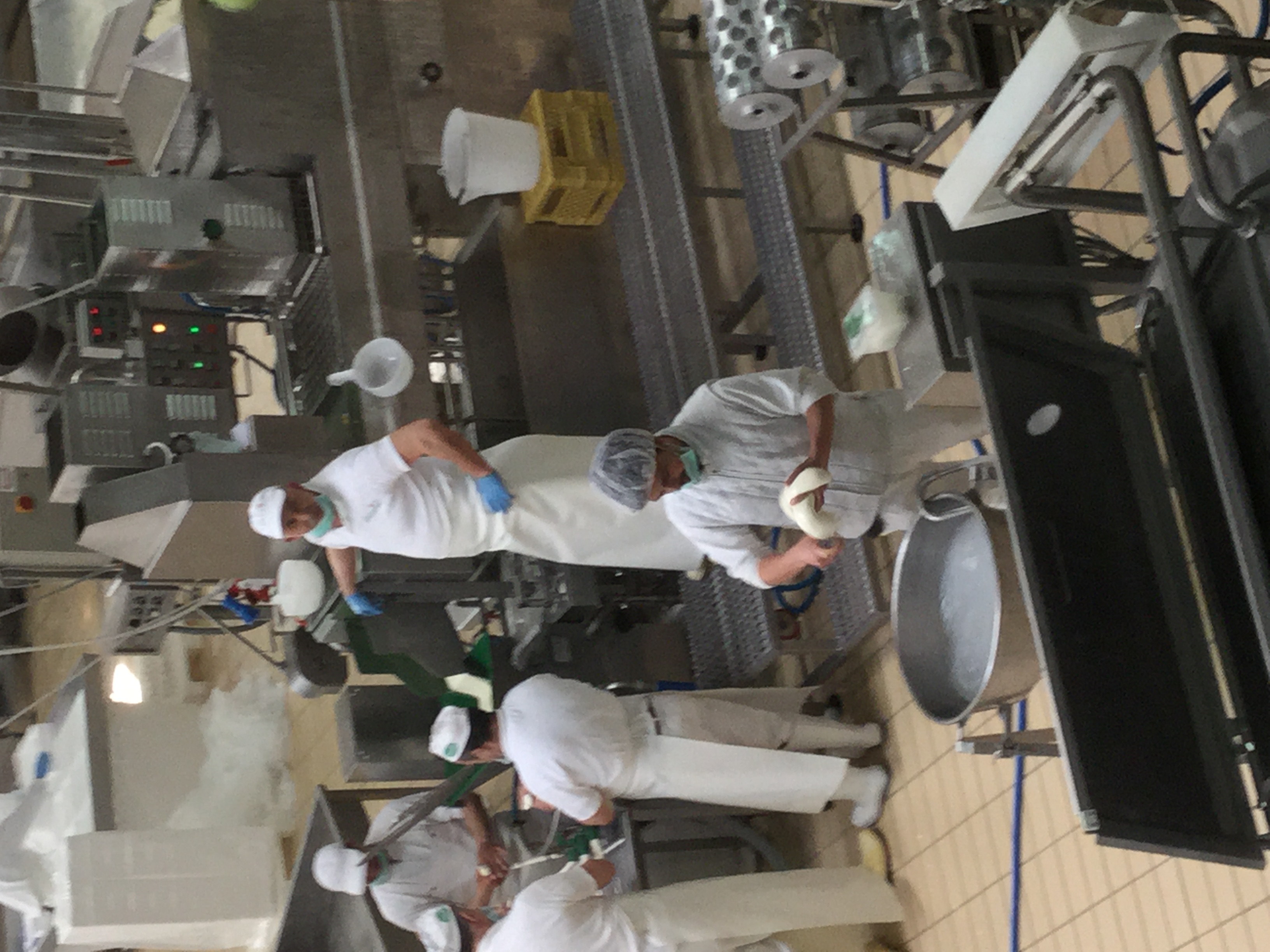
Orecchiette & Homemade Pasta
Orecchiette—those delightful "little ears"—are Puglia’s crowning glory!
Handcrafted with sheer passion and ancient skill, this pasta is a total sensation when paired with zesty turnip greens or a luscious tomato sauce.
It’s a vibrant masterpiece of Salentine flavor that proves minimal ingredients create the most amazing feasts.


REGIONAL ESSENCE
Isa De Santis, CC BY-SA 4.0, via Wikimedia Commons cropped
PROPOLI87, CC BY-SA 4.0, via Wikimedia Commons cropped

Eat your way through Salento
Morning
Coffee and a pasticciotto in a sunny piazza
A stop at a local market for produce and cheese
MIDDAY
A long, unhurried lunch — seafood or local pasta
Evening
Aperitivo, wherever the view happens to be good
AFTERNOON
Night
A casual dinner at home, or a trattoria close to Casa Mollrose
Eat, Drink & Slow Down
Let the table set its own pace.
A Salento meal isn't meant to be efficient. Lunch can run two or three hours without anyone minding.
Aperitivo happens because the evening asked for it, not because it was scheduled.
The best way to eat well here is the same approach that works for the region generally —
leave room in the day, and let the table decide how long it needs.




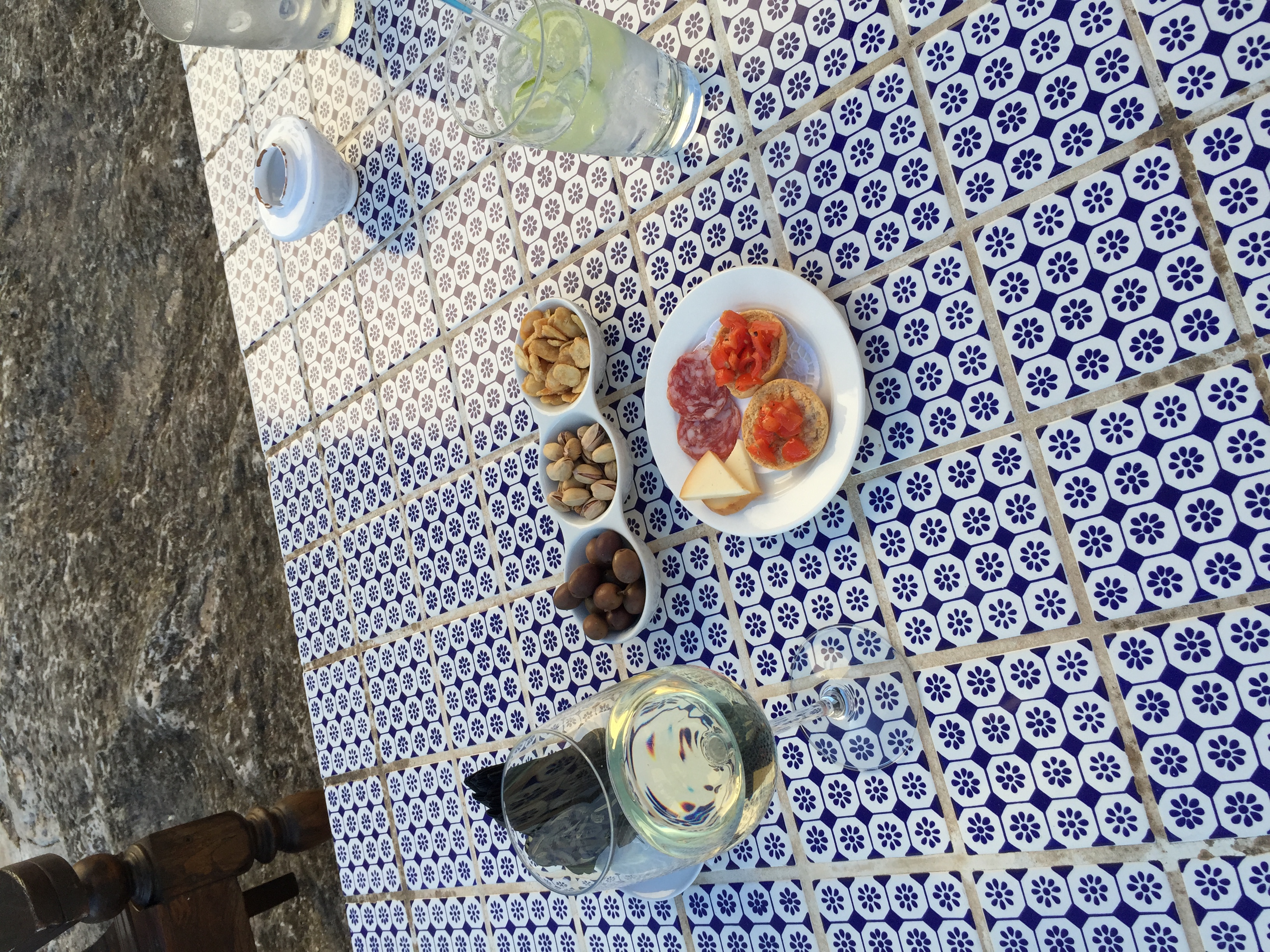
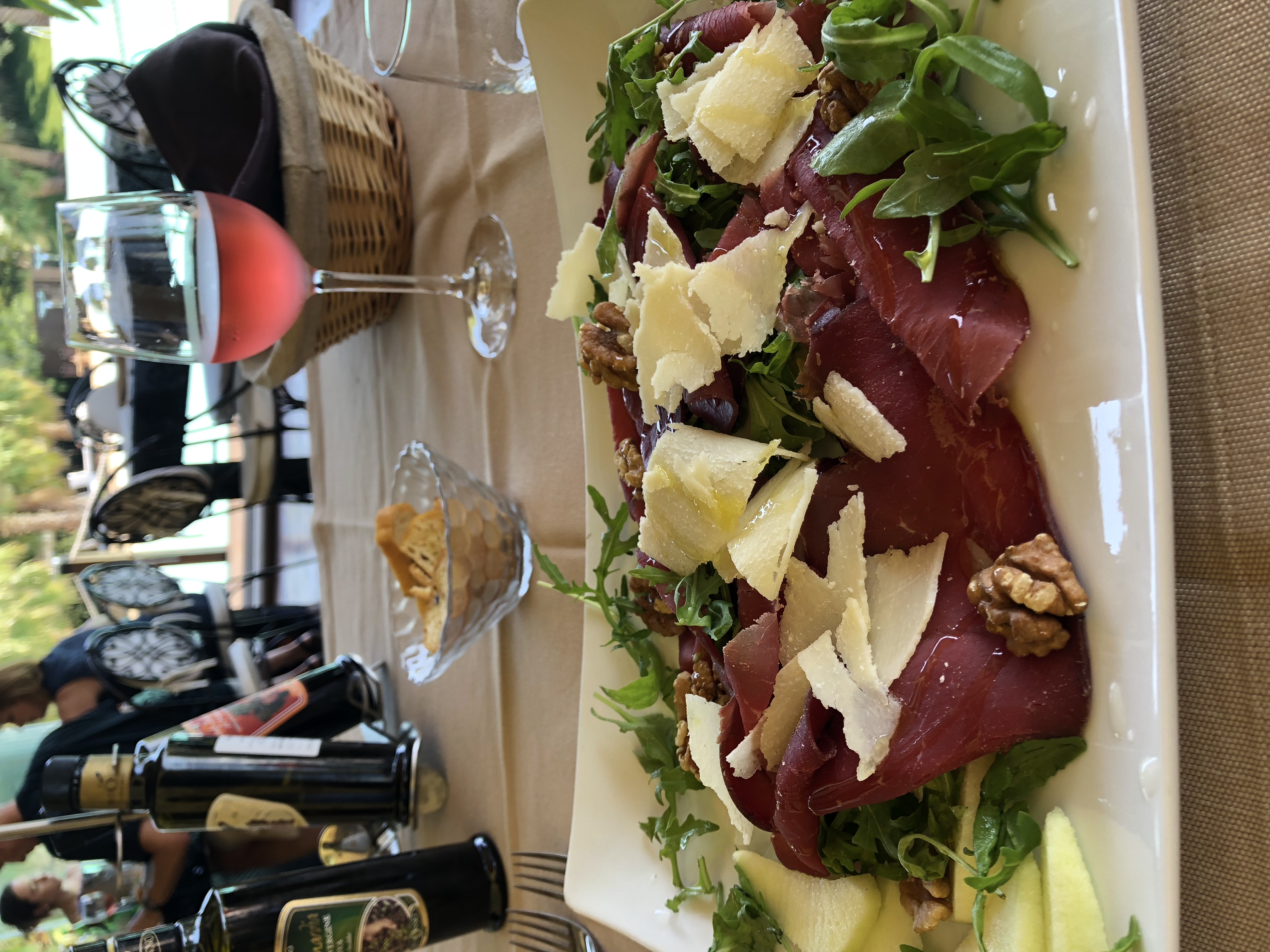
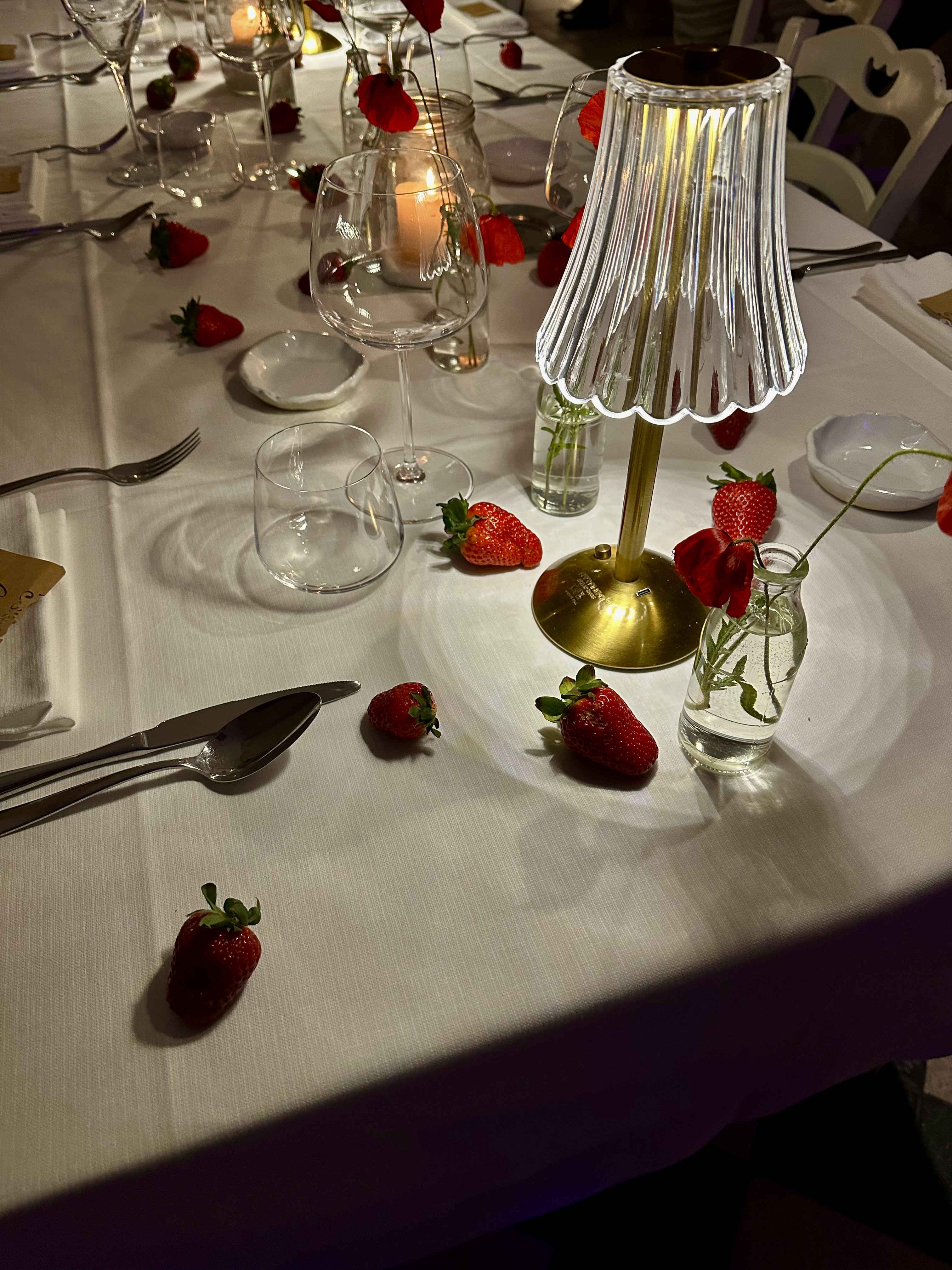
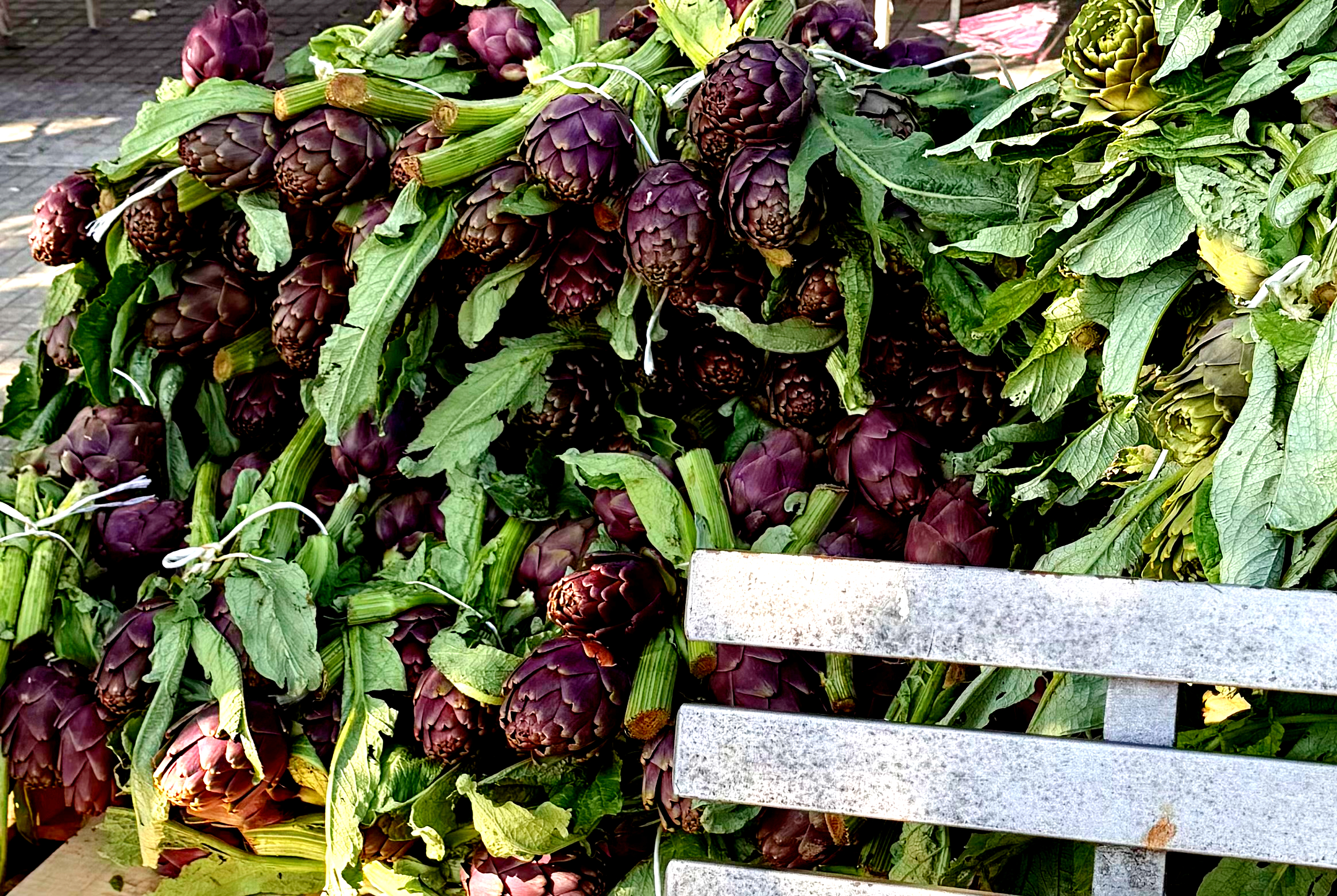
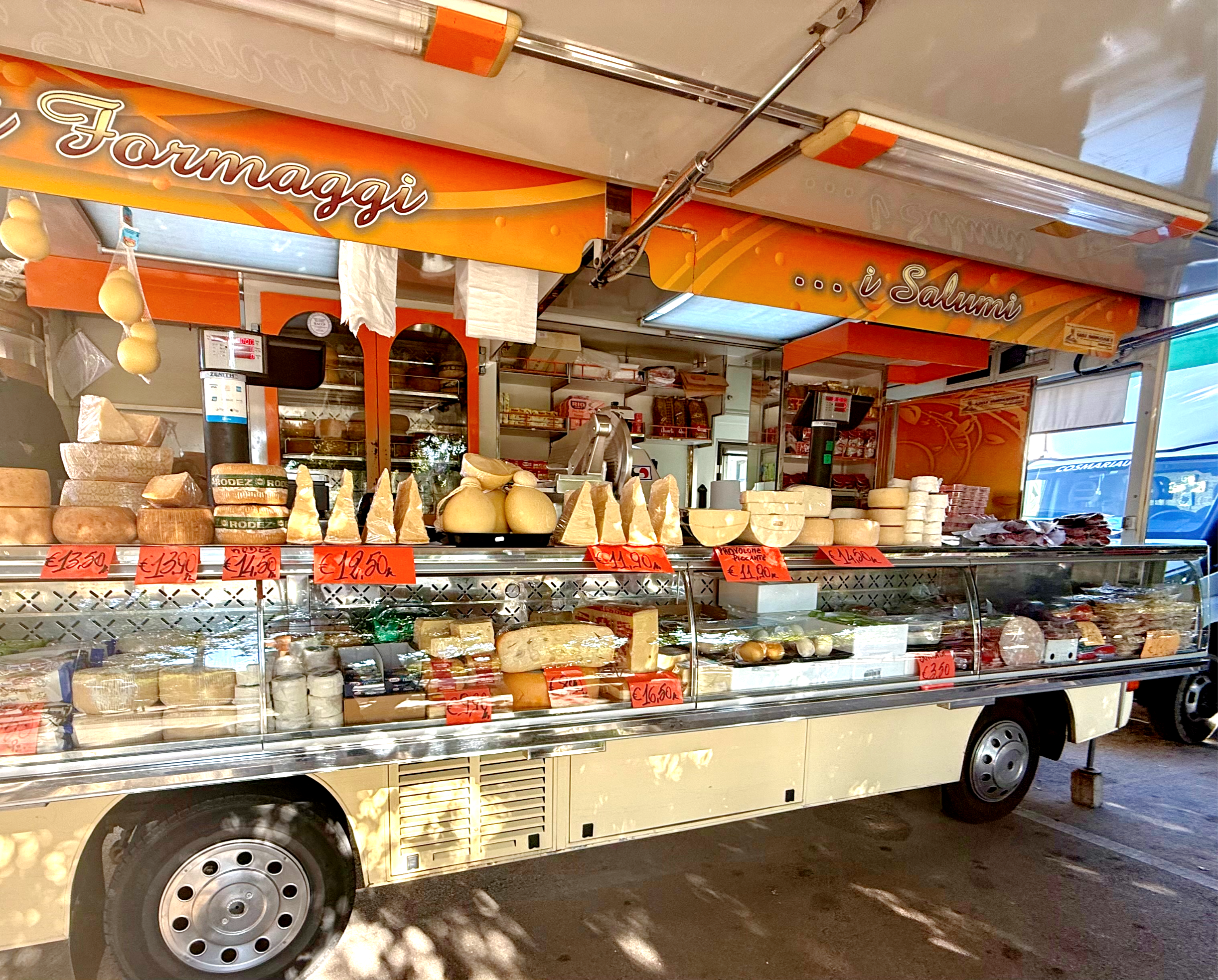
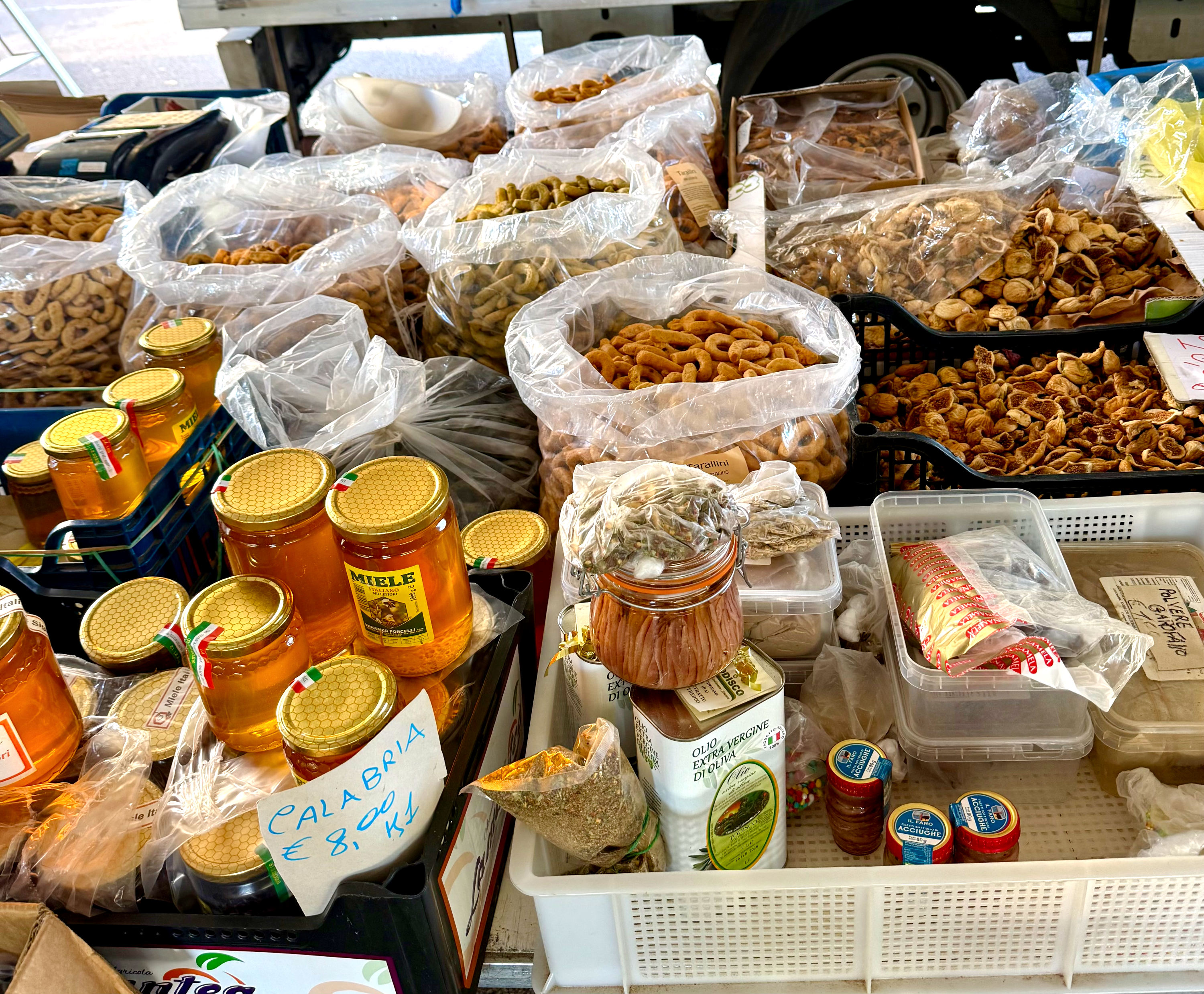
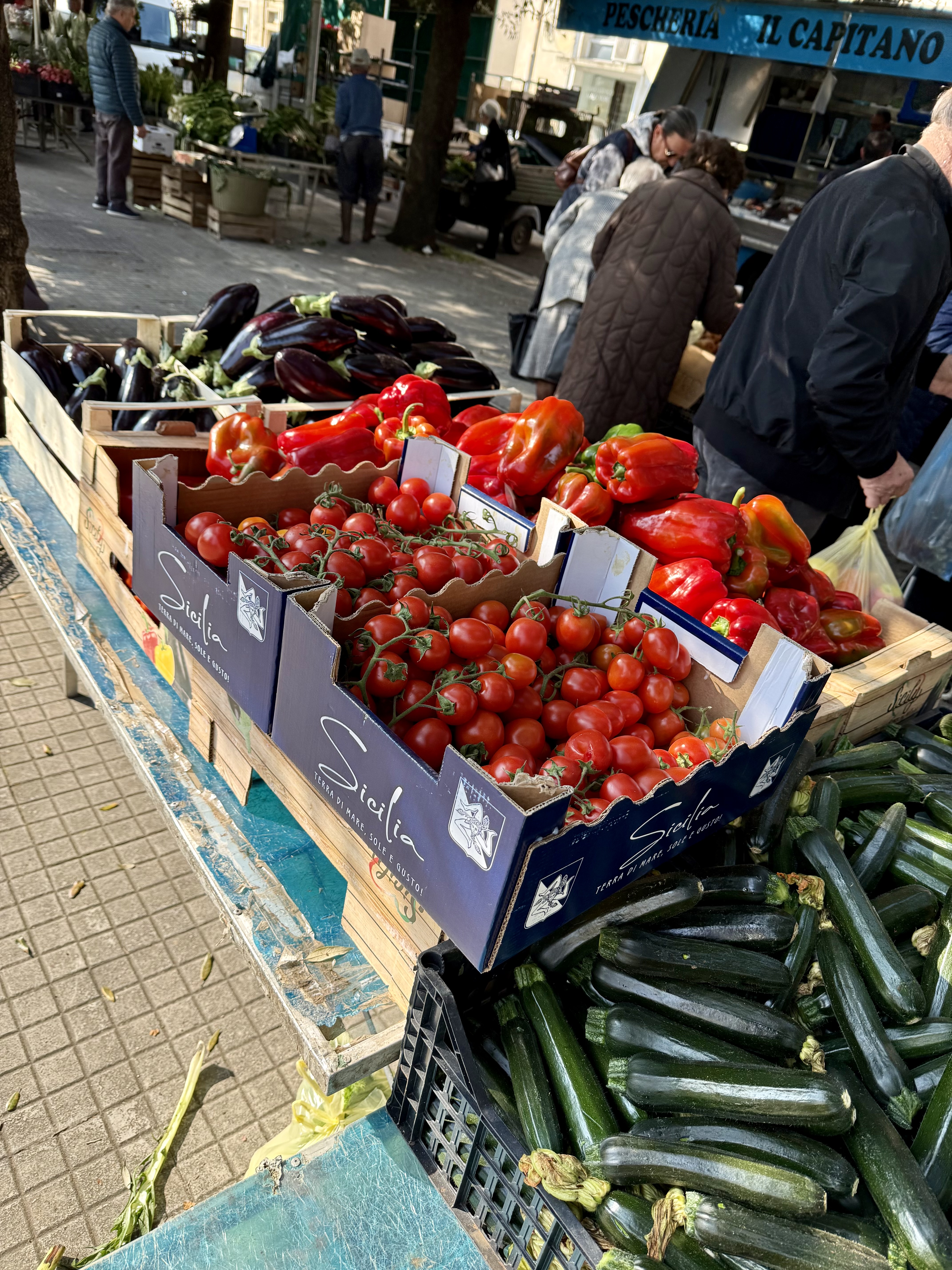
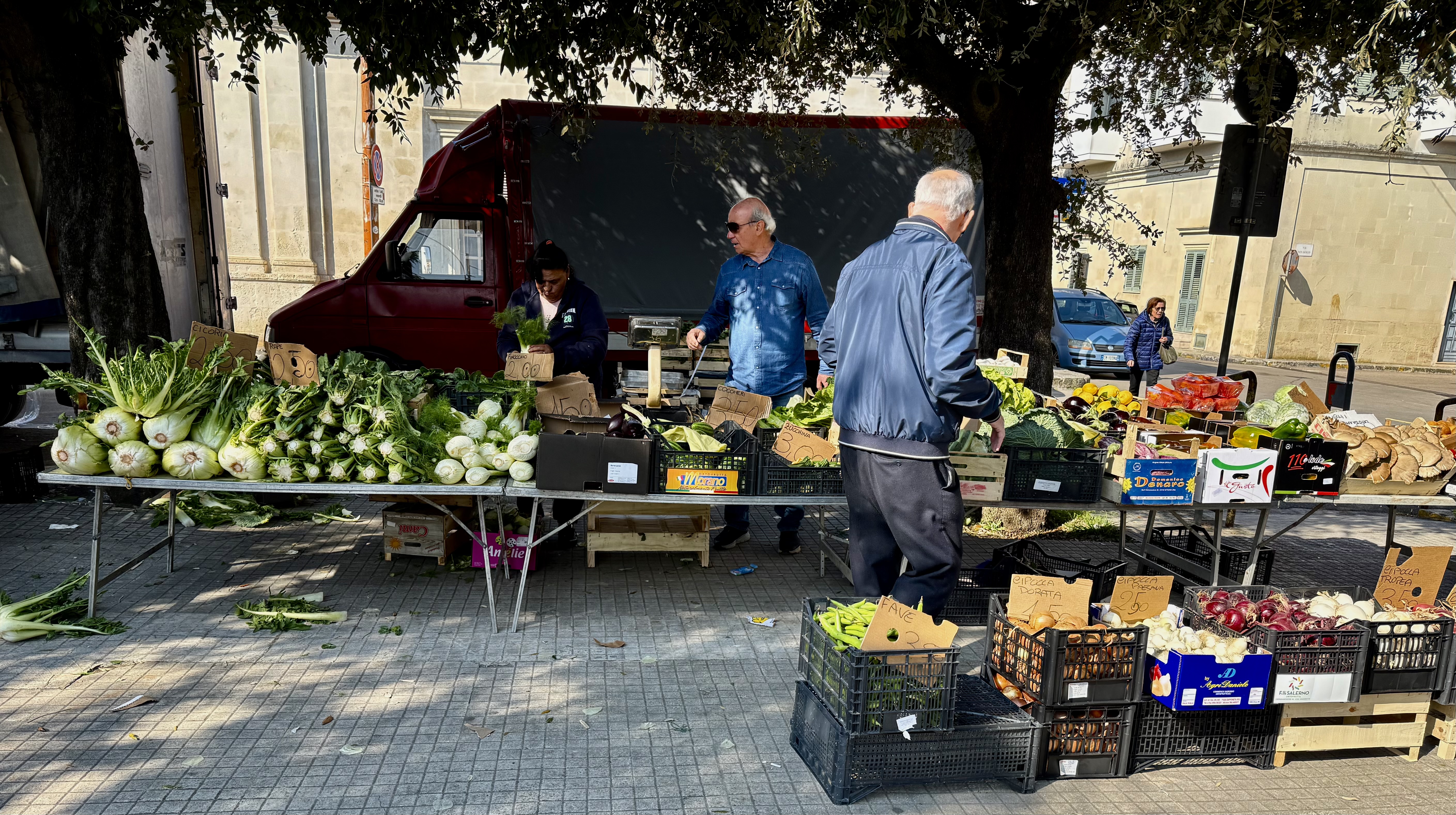
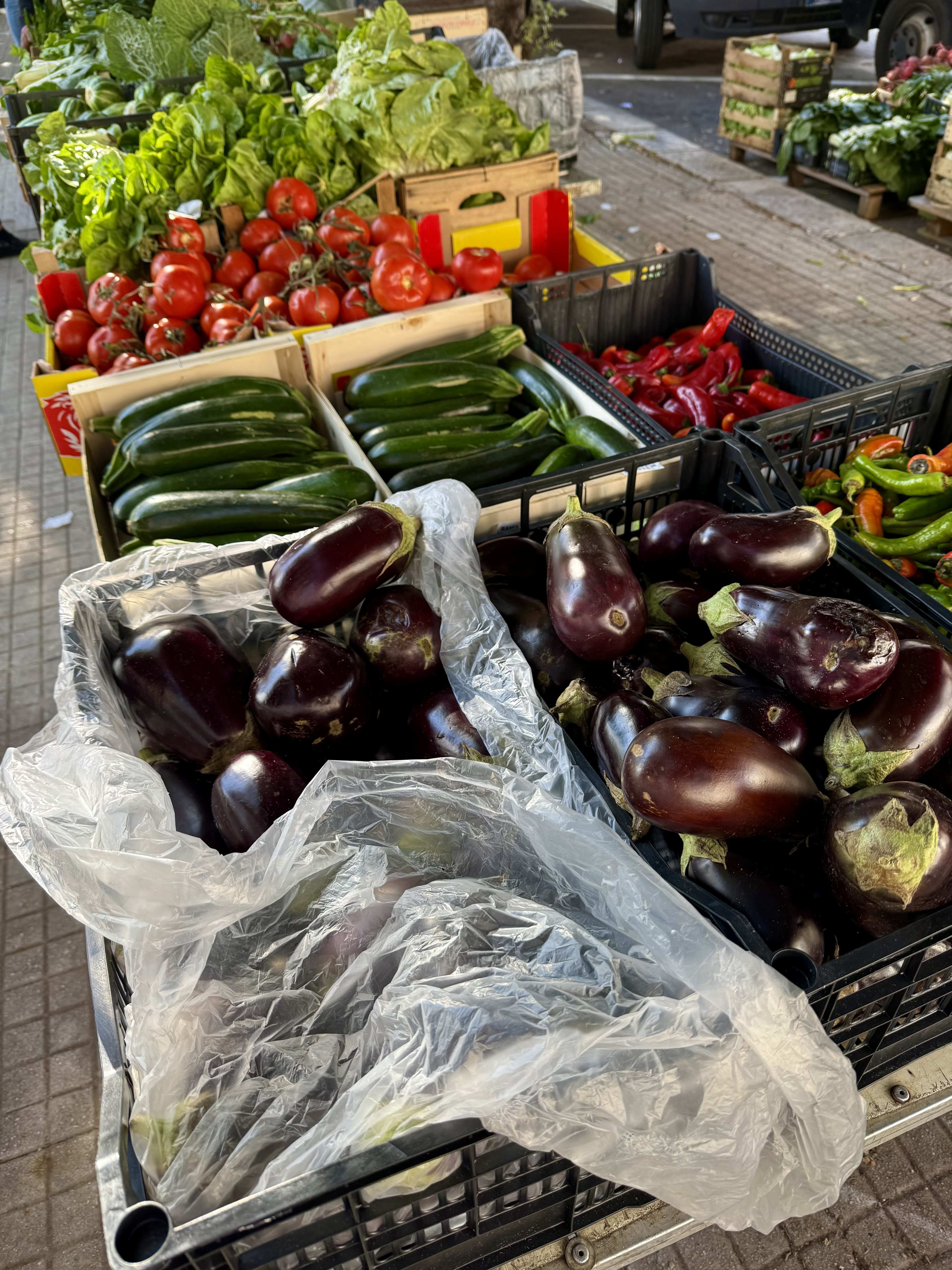
Local markets are worth a stop even if you didn't have a kitchen to cook in — sun-ripened tomatoes, taralli, cheeses, and the region's produce
laid out the way it's been for generations.
For guests who want to cook at Casa Mollrose, this is where a simple
Salento dinner starts, & where the ingredients do most of the work for you.
Want to learn it at the source? A few local home cooks open their own kitchens
for a cooking class or a family dinner. You'll find them in Where to Dine.
When to Visit
Salento's table across the seasons
Spring
Markets fill with new produce — a good season for lighter dishes and long outdoor lunches.
Summer
Peak seafood and tomatoes, aperitivo culture in full swing, dinners that start late and run later.
Autumn
Late October starts harvest season. Olive oil pressing, heartier dishes, and warmer colors on every table.
Winter
Slower, more local menus —
a good time to find Salento cooking at its most traditional.

Wherever the table takes you across Salento,
the evening can always end back at Casa Mollrose —
Dinner outdoors, a drink on the rooftop, and somewhere quiet to let the night settle.
Explore the Local "Amenities" & Stay at Casa Mollrose
Continue Exploring


